Consulting,
rebuilt for AI.
I built Aster because teams were making AI decisions on partial information. Our agents map your operation end to end, run deep analysis at scale, and surface precise recommendations in hours. Then we apply human judgment to shape the final strategy.
It started with Open Claw.
From kickoff to a clear plan,
in days.
First, I scope the mission with you
We align on objective, scope, and constraints up front, then configure the agent workflows around that. This keeps every interview and every analysis tied to the actual business question.

Then agents map reality at scale
Agents run interviews across functions in parallel, from frontline roles to leadership. The people closest to daily execution usually hold the most useful signal, and we capture that without freezing the org.

Finally, we ship the decision pack
We synthesize every response, rank opportunities by impact and effort, and deliver a concrete plan with sequencing and owners. You can move from insight to execution immediately.

Agents do the analytical grind. Human experts handle the tradeoffs, sequencing, and execution risk.
What changes when evidence arrives faster than politics.
From Months To Days
The investigation runs in parallel, so decisions happen this week instead of next quarter.
Full-System Coverage
We do not interview a small sample. We map how work actually moves across the full company.
Operator-Grade Clarity
Every recommendation is tied to evidence, ownership, and execution order.
Built To Execute
You leave with a ranked plan your team can run immediately, not another shelf deck.
Why I Built Aster
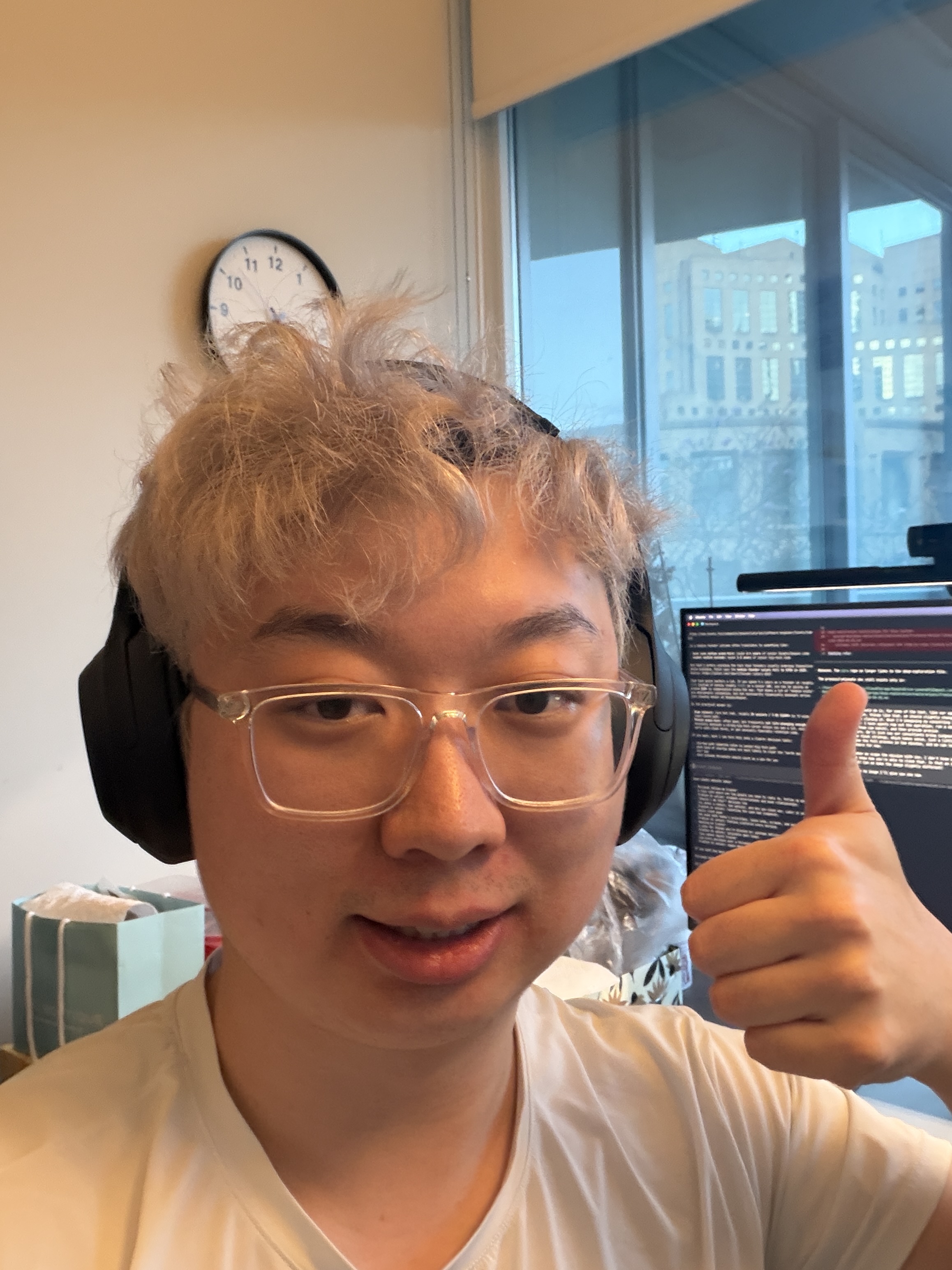
I kept seeing the same failure mode: smart teams, expensive strategy work, and decisions still based on partial information.
Open Claw changed how I thought about what agent workflows can do at scale. Once I saw that, I knew consulting had to be rebuilt around full-system signal, not sampling.
But raw automation is not strategy. The hard part is judgment: choosing what to do first, what to skip, and what risk is acceptable.
Aster combines both. Agents map and analyze at depth. Humans make the final calls. You get faster clarity and a plan that is built to run in the real world.
FAQ
Why not just hire a traditional consulting team?
Traditional projects usually sample a small slice of people, then extrapolate. We run agent-led interviews across the whole company in parallel and stitch every signal together. You get wider coverage, faster turnaround, and less guesswork.
If agents do the heavy lifting, where do humans step in?
Agents collect and structure the raw signal. My team and I pressure-test the findings, add business context, and make the final calls. Nothing is delivered without human judgment.
How quickly can we get to a real recommendation set?
Usually in days, not months. The only true dependency is interview completion speed, because synthesis starts as soon as responses land.
What do interviews look like in practice?
Each role gets a tailored agent flow. People complete interviews asynchronously in their own workflow, which gives us consistent depth without turning calendars into a bottleneck.
What do we get at the end of the engagement?
You get a decision pack: ranked opportunities, bottlenecks by impact, sequencing, and owner-level next steps. We also leave behind a project-trained agent so your team can keep querying the work.
How do you structure pricing?
Pricing is tied to org size and scope. Because agents do most of the analytical labor, cost stays materially below classic consulting while depth stays high.
Is this just for large enterprises?
No. The model scales both ways. We work with startup operators, mid-market teams, and large organizations.
How do you protect confidentiality?
Confidentiality is part of the design: strict access controls, contractual safeguards (NDA and DPA when needed), and explicit retention and deletion rules.